
Bereavement Companion
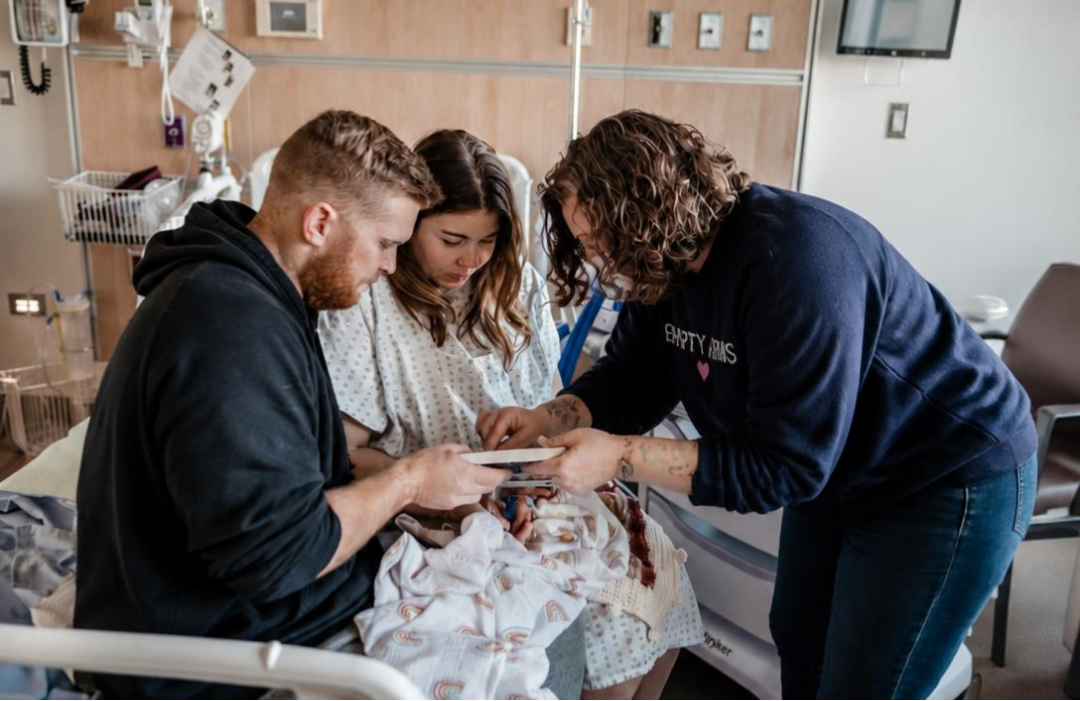
A trained, compassionate presence for families experiencing pregnancy, infant or child loss; someone who listens, supports, holds space and ensures a family does not have to navigate loss alone.

The Role
Bereavement Companions provide calm, compassionate support to families experiencing pregnancy, infant or child loss.
Every family, loss and support call is different. A Companion's role is not to fix grief, provide answers or determine what a family should do. Their role is to meet families where they are, listen to what they need, offer appropriate practical and emotional support, and help create an environment where families have the space and time to grieve, make decisions and create memories.
Sometimes that means answering questions or helping a family understand what support is available to them.
Sometimes it means helping create meaningful memories with their baby or child.
Sometimes it means sitting quietly beside someone who should not have to be alone.
Knowing what is needed—and recognizing when simply being present is enough—is an important part of the role.

What We Look For
-
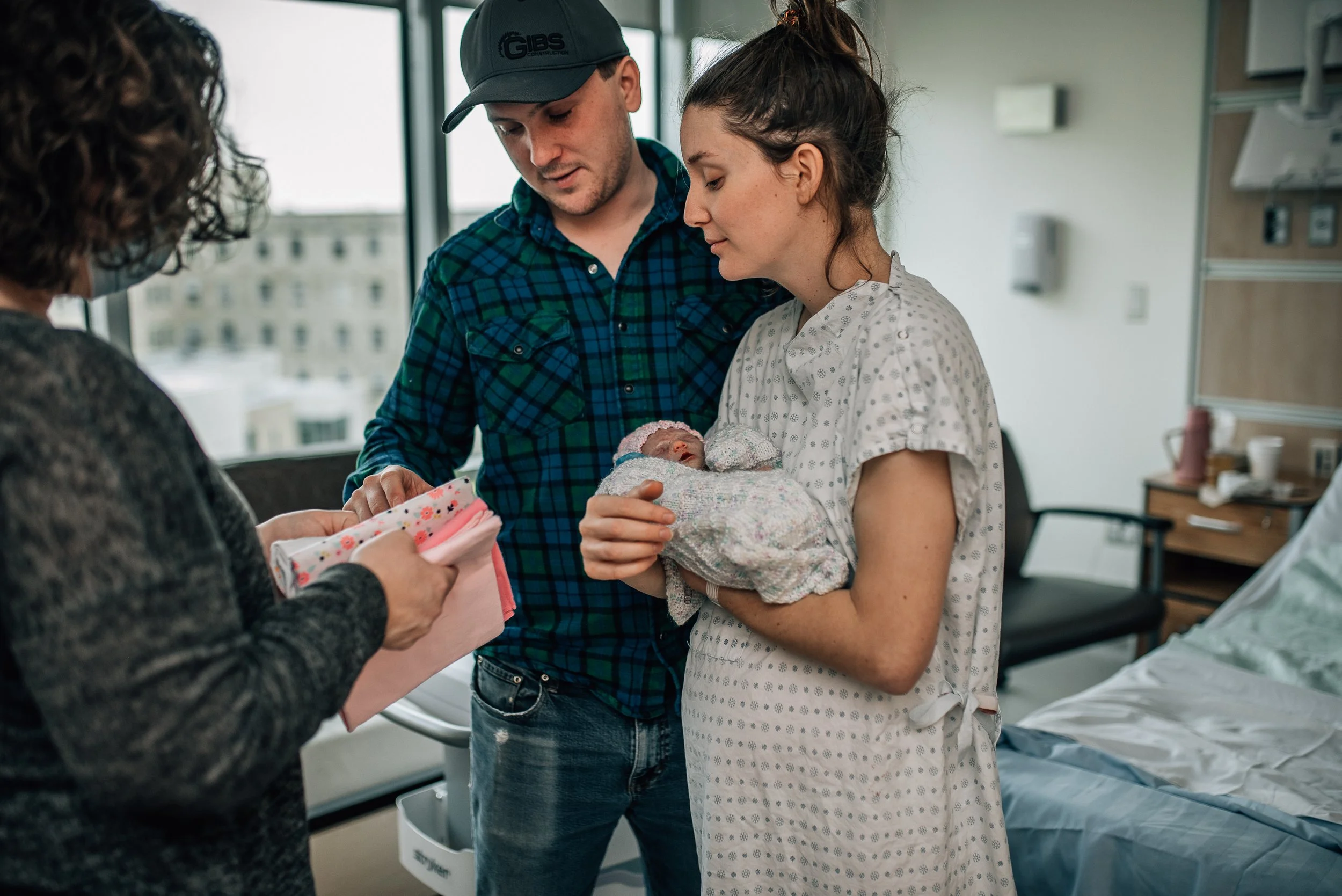
Bereavement Companions must be comfortable being present with profound grief.
That means being able to sit with sadness, silence and strong emotion without feeling responsible for making the situation better. A Companion listens carefully, follows the family's lead and allows grief to exist without trying to fix, minimize or explain it.
-
Support calls can involve highly emotional and difficult circumstances. Companions need the ability to remain calm, grounded and respectful while continuing to respond sensitively to the people around them.
Being emotionally steady does not mean being unaffected by the work. It means having the self-awareness to recognize your own emotions and needs without allowing them to become the family's responsibility.
-
There is no single right way to experience grief.
Companions support families with different beliefs, cultures, values, relationships, choices and ways of grieving. The role requires curiosity, humility and the ability to provide care without imposing personal beliefs or expectations.
You do not need to have personally experienced pregnancy, infant or child loss to be an excellent Bereavement Companion.
-
Strong Companions are strong listeners.
They are able to listen for what a family is saying—and sometimes for what they are not yet ready or able to say. They communicate gently and clearly, provide information when appropriate, and understand that silence can be a form of support too.
-
Being invited into an intensely personal experience requires an understanding of both closeness and boundaries.
Companions must exercise good judgement, respect confidentiality, maintain professional boundaries and understand the responsibility that comes with being trusted with deeply personal experiences and informatio
-
Families need support when they need it, not necessarily when it is convenient.
Bereavement Companions work on a casual, on-call basis and must be dependable when committing to an on-call shift.
Being on call does not necessarily mean being called to attend a family, but it does mean being prepared to respond when support is needed.
-
This work can affect the people who do it.
Companions need to recognize their own limits, understand when they need support and be willing to ask for it. Emotional readiness and ongoing self-awareness are important parts of providing sustainable, responsible care to others.

The Commitment
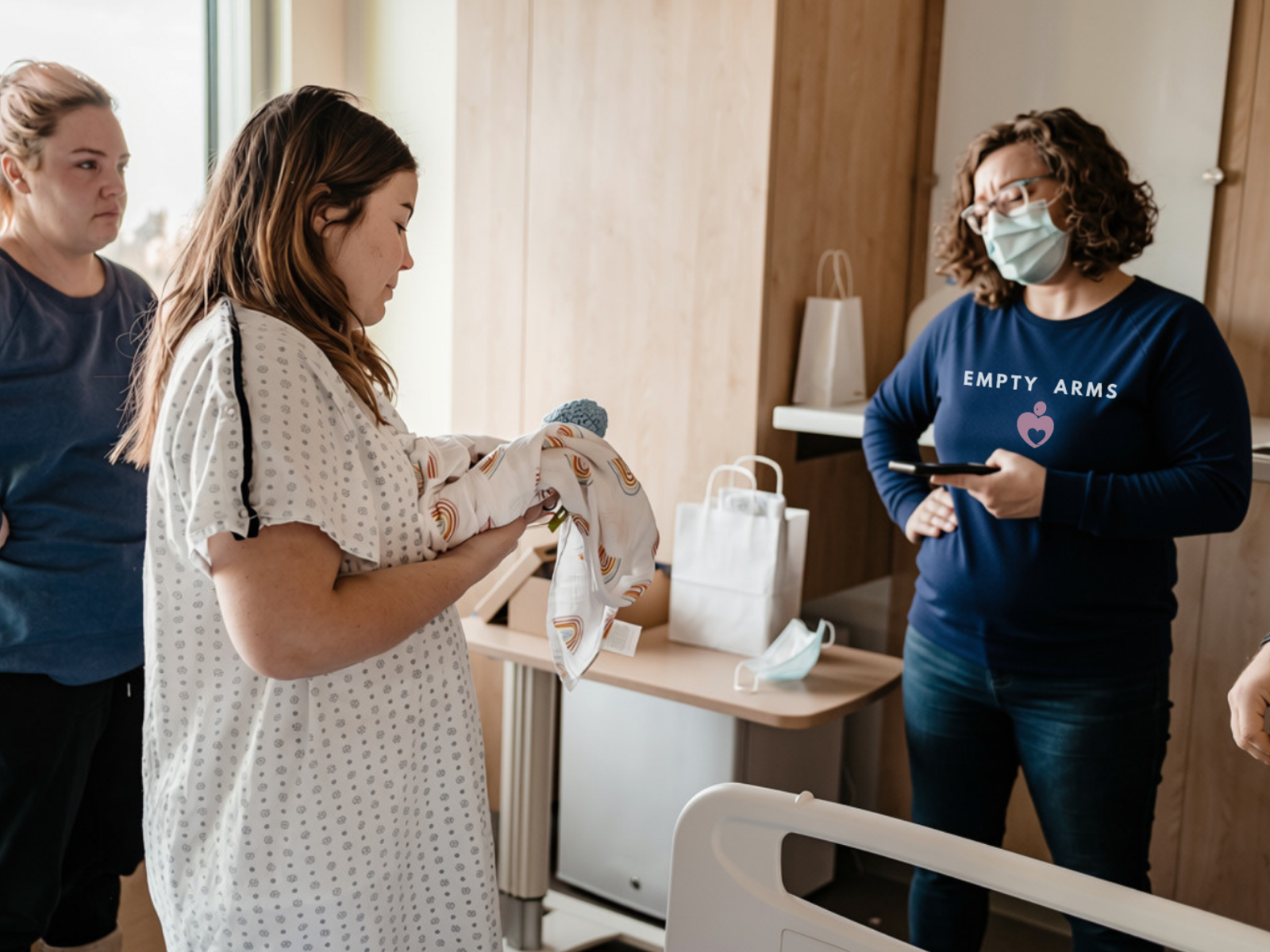
Bereavement Companions work on a casual, on-call basis.
Companions are currently asked to commit to a minimum of four on-call shifts per month.
Day Shift
8:00 AM – 5:00 PM
Night Shift
5:00 PM – 8:00 AM
Empty Arms typically supports approximately 5–15 families per month in hospital. Being scheduled on call does not necessarily mean you will be called to attend a family.
What it does mean is that, during the shifts you commit to, you are part of the team making sure someone is available when a family needs us.


Beyond the Job Description
There are competencies we can list on a page.
Compassion. Reliability. Judgement. Listening. Boundaries. Emotional readiness.
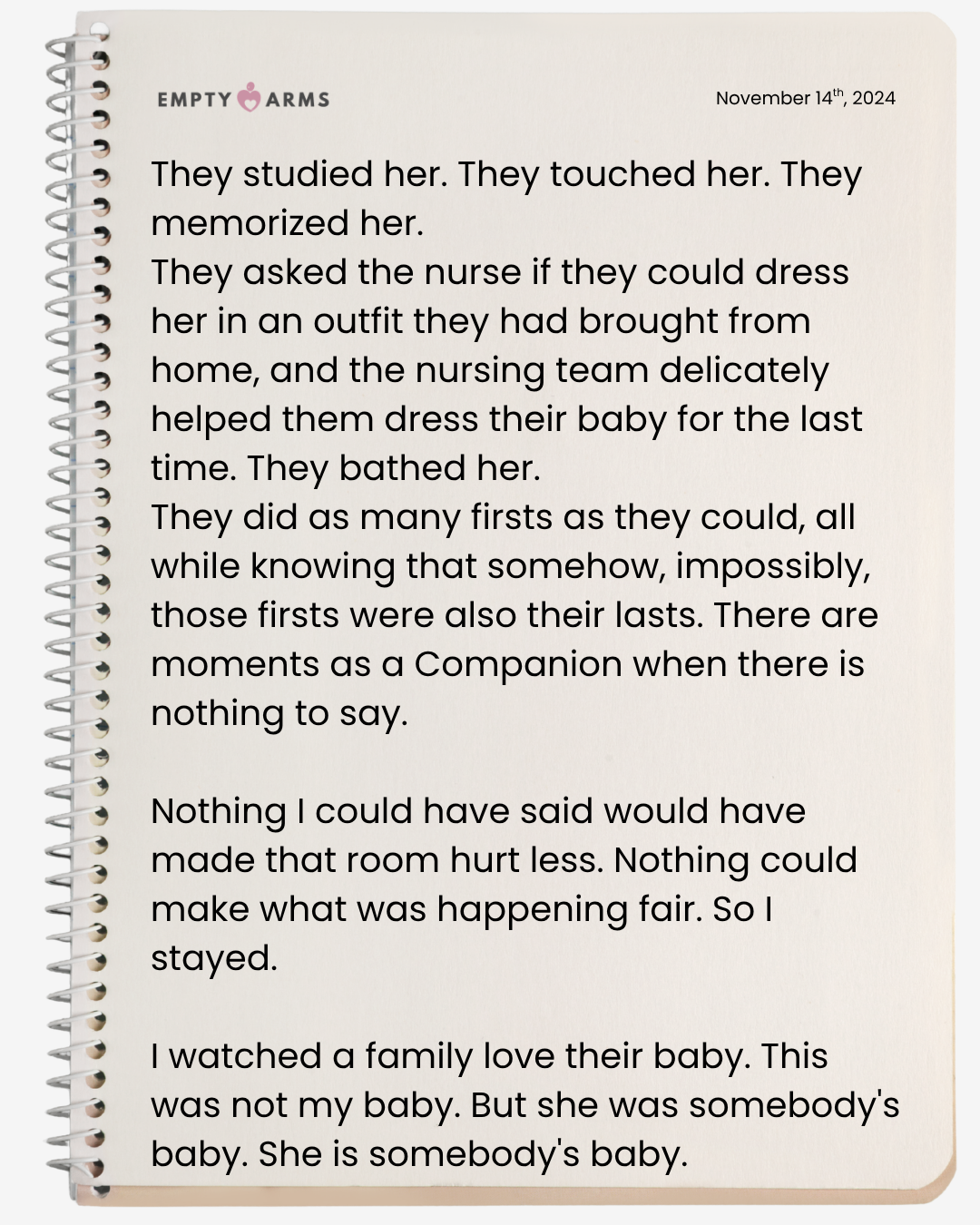
But a job description can only tell you so much about what it means to walk through a hospital door knowing that, on the other side, a family is living through something they never imagined would happen to them.
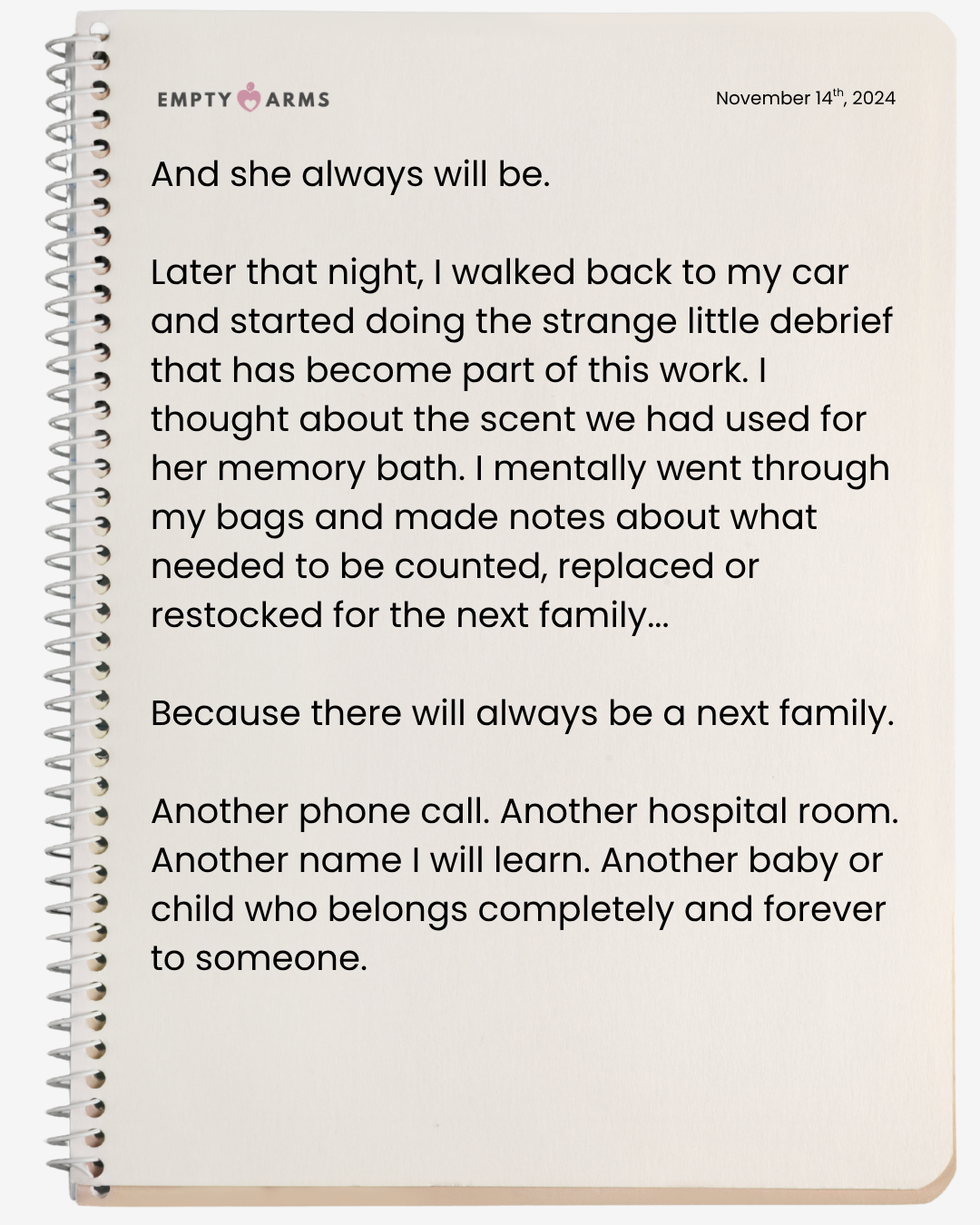
So we asked one of our Bereavement Companions to tell you about the role differently.
Not as a list of responsibilities.
As someone who has been there.


Think you’re a good fit?
Fill in the form below and we will reach out to you: